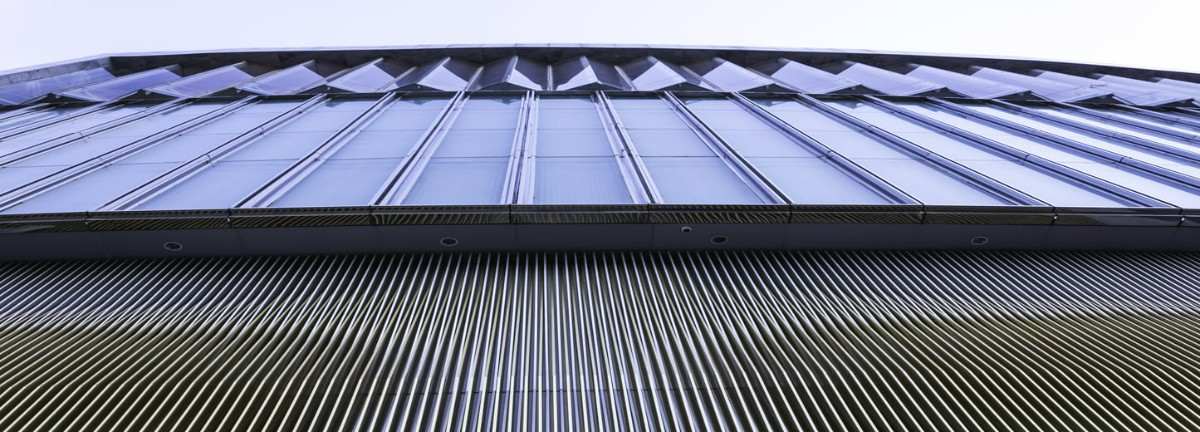
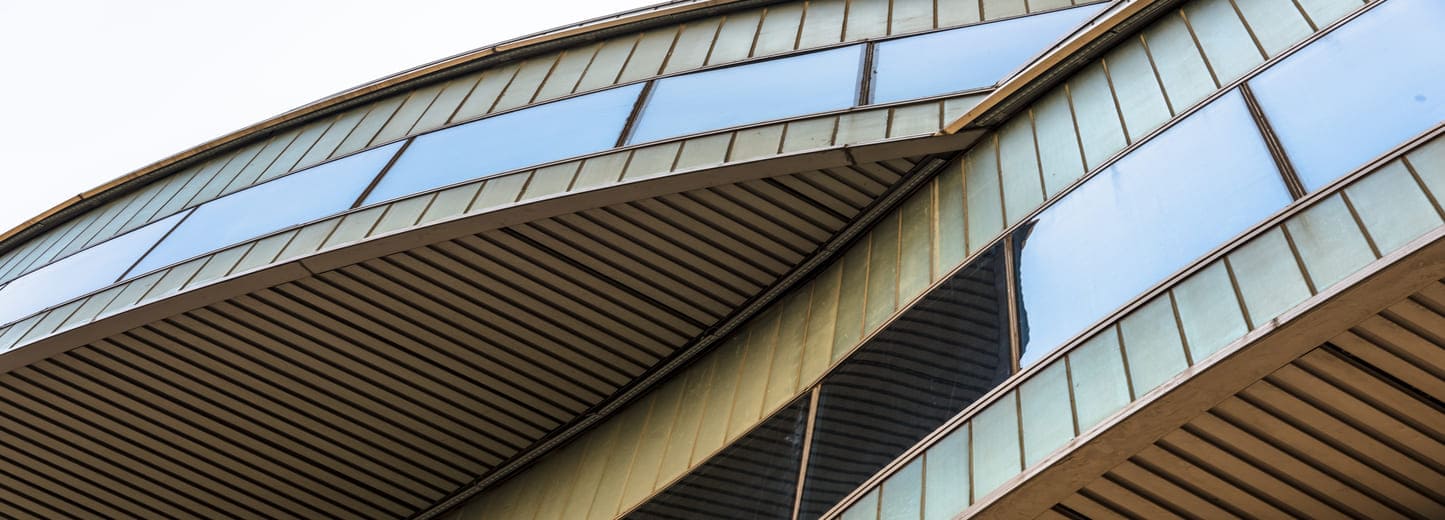
Zinc Double Skin Roofing is a multi-layer roofing
solution designed to improve thermal comfort, acoustic performance and weather
protection in commercial, industrial and architectural buildings. A typical Double
Skin Roofing System uses two parallel metal sheets separated by a
structural support framework, creating a cavity for insulation and building
services.
Vijaynath Roof & Wall Cladding Solutions provides
roofing and wall cladding solutions for projects that require durable
materials, effective insulation and practical architectural design.
What Is a
Double Skin Roofing System?
A Double Skin Roofing System consists of an outer metal roof
sheet, an inner metal liner and an intermediate cavity. Z-purlins or other
suitable structural supports maintain the required separation between the two
skins.
The cavity can accommodate insulation and a vapour control
layer, depending on the building design and climate conditions. This
construction helps manage heat transfer, condensation and external noise when
the complete roof assembly is correctly specified.
Key
Components of Zinc Double Skin Roofing
1. Outer Metal Skin
The outer layer may use zinc, titanium-zinc, steel or
aluminium, depending on the selected roofing system. Zinc develops a protective
patina through natural weathering, helping resist corrosion. Its service life
depends on material grade, environmental exposure, detailing and maintenance.
2. Inner Metal Liner
The inner skin commonly consists of a profiled metal liner
tray. It creates the internal ceiling finish and supports the insulation
assembly as specified in the roof design.
3. Cavity and Structural Supports
Z-purlins or compatible structural components maintain the
gap between the outer and inner sheets. Correct spacing and fixing details are
essential for structural stability and roof performance.
4. Insulation and Vapour Control
Materials such as Kalzip Roof, Kingspan, mineral wool or
polyurethane foam may be used according to thermal, acoustic and
fire-performance requirements. A suitable vapour control layer can help reduce
condensation risks when correctly positioned and sealed.
Benefits
of Zinc Double Skin Roofing
Thermal Performance
Insulation between the metal skins reduces heat transfer
through the roof. The overall result depends on insulation thickness, thermal
conductivity, air gaps and installation quality.
Acoustic Comfort
The combination of metal sheets and insulation can reduce
rain noise and some external sound transmission. Performance varies with the
complete roof assembly.
Corrosion Resistance
Zinc forms a protective zinc carbonate patina under suitable
atmospheric conditions. Correct material selection and drainage detailing help
support long-term durability.
Concealed Fastening Options
Some roofing designs use concealed clips or hidden
fasteners. These can support weather protection and accommodate thermal
movement when designed and installed correctly.
Applications of a Double Skin Roofing System
A Double Skin Roofing System may suit factories, warehouses,
commercial buildings, institutional facilities and other projects requiring
insulated metal roofing. The right specification depends on building use, local
climate, structural loads and applicable fire-safety requirements.
Conclusion
Zinc Double Skin Roofing combines architectural flexibility
with insulation and weather-protection options. For roofing system guidance and
project requirements, contact Vijaynath Roof & Wall Cladding Solutions
through Vijaynath.in.
Frequently Asked Questions
Is zinc suitable for double skin roofing?
Yes. Zinc can provide corrosion resistance and a distinctive
architectural finish when the system is correctly specified for the
environment.
Which insulation is best?
Vijaynath, Kalzip Roof, and foam insulation offer different
thermal, acoustic and fire properties. Selection should follow project
requirements.
How long does zinc roofing last?
Zinc roofing can last for many decades, but
actual service life depends on the alloy, exposure, installation and
maintenance.